Saint Hypomone
A Serbian princess and Byzantine empress, Saint Hypomone modeled Christian virtue throughout 35 years of marriage before spending 25 years as a humble nun, renowned for her namesake virtue of patience.
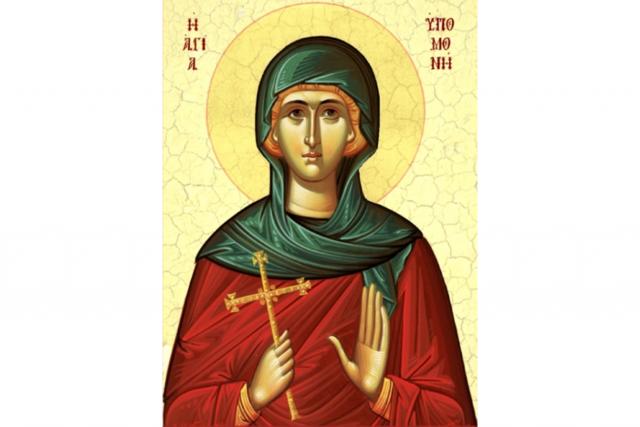
Saint Hypomone ‒ The Path to Holiness
Serving the people as empress for 35 years, Saint Hypomone entered the monastic path after her husband's death, serving the Lord and her sisters for another 25 years. Loving everyone as her own children, Saint Hypomone endured all trials with great patience, departing to the Lord three years before the fall of Constantinople.
A daughter and wife of emperors, Saint Hypomone lived in the 14th and 15th centuries and received this name, which means "patience," at the moment she entered the monastic life. This occurred following the death of her husband, with whom she had spent 35 years and who had also been tonsured into monasticism two weeks before his passing. Throughout her life as a Serbian princess and Byzantine empress, she kept the Christian commandments, performing good deeds inspired by her unceasing longing for the Lord and prayer.
She overcame all temptations with great patience and unwavering faith in God, loving the people as she did her own eight children. Later, during the 25 years spent in the Monastery of Saint Martha, she proved herself obedient, disregarding the fact that she had been an empress, and became like her sisters.
She founded a home for the elderly, placing the relics of Saint Patapius of Thebes there for veneration, as she had great devotion to him. She fell asleep in the Lord three years before the fall of Constantinople and was buried in the Pantocrator Monastery.
After Constantinople was conquered, a nephew moved the holy relics of Saint Patapius of Thebes and the head of Saint Hypomone to the city of Loutraki in Greece, inside a cave. A church was later built at that location, which continues to preserve the holy relics to this day.
English translation adapted from the Romanian life published by Doxologia.ro.